


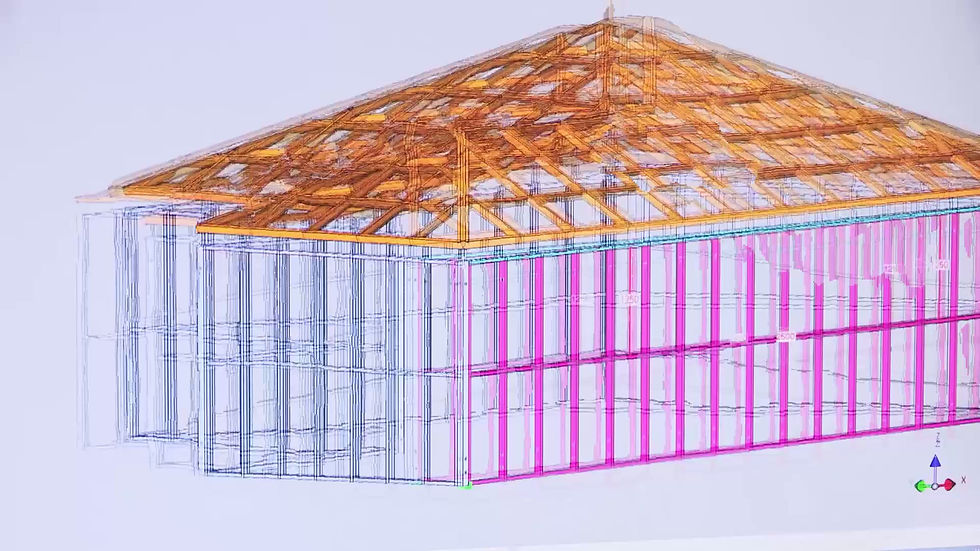
Light Steel Frame
LSF
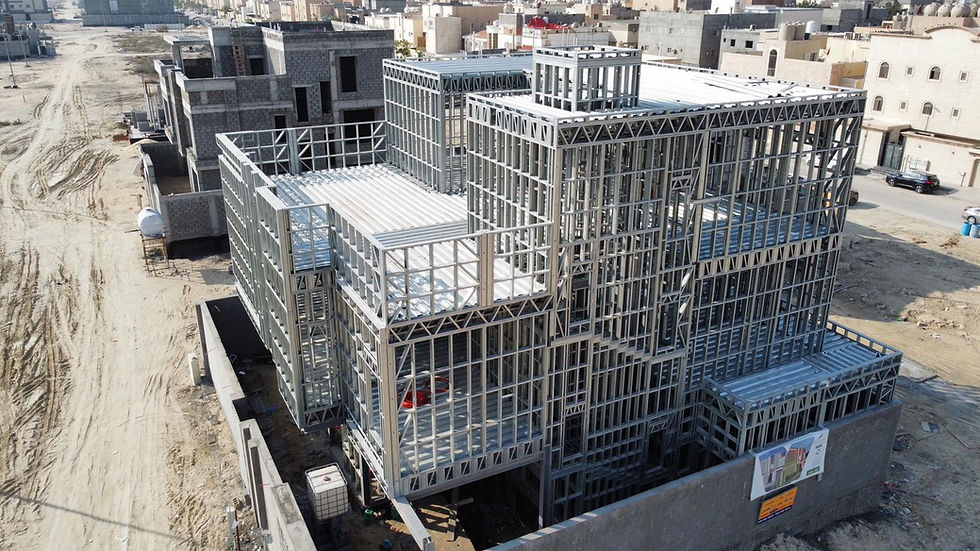
WHAT IS THE LSF (LIGHT STEEL FRAME) CONSTRUCTION SYSTEM?
LSF (Light Steel Frame) structures offer several advantages compared to conventional construction systems such as:
Reinforced concrete structures, heavy steel structures, load-bearing masonry systems, conventional prefabricated construction methods
The advantages depend on the type of project; however, in many applications LSF provides a highly efficient combination of:
lightweight performance, rapid construction, dimensional accuracy, sustainability, high energy efficiency
Main Advantages of LSF Structures
Significantly Reduced Structural Weight
LSF structures are substantially lighter than reinforced concrete systems and also lighter than conventional heavy steel structures.
This results in:
Lower foundation costs, Reduced seismic loads, Easier transportation and handling,
Better adaptability to poor soil conditions
In many cases, the total structural weight can be reduced by 60–70% compared to reinforced concrete construction.
High Construction Speed
LSF systems utilize prefabricated components and dry construction methods.
Advantages include:Significantly shorter construction schedules, Fewer weather-related delays, Elimination of concrete curing time, Possibility of parallel construction activities.This is particularly advantageous for hotels, resorts, and tourism developments.
Higher Construction Accuracy.
LSF profiles are industrially manufactured using CNC-controlled machinery. This ensures: Tight tolerances, high dimensional precision, improved final quality, reduced on-site errors.
Superior Seismic Performance
Due to the lightweight nature and ductility of steel: Seismic forces are significantly reduced, Better energy dissipation is achieved, Lower risk of brittle structural failure
LSF is considered one of the most efficient systems for seismic-resistant construction.
Improved Energy Efficiency
LSF wall systems allow continuous integration of thermal insulation materials,this provides: Reduced thermal bridging, Lower energy consumption, Improved indoor comfort, Excellent performance for sustainable and green buildings
Reduced Logistics and Transportation Costs
LSF components are: Lightweight, Compact, Easy to transport,this is particularly beneficial for: Africa, Oman, Remote construction sites, Islands, Mountainous regions.
Cleaner and More Organized Construction Site.
The dry construction process minimizes:
Construction waste, Dust generation, Water consumption, Material losses resulting in improved site management and efficiency.
Reduced Heavy Labor Requirements
LSF installation generally requires: Fewer heavy machines, Minimal formwork, Fewer wet trades In many cases, the required workforce is significantly reduced.
Architectural Flexibility
LSF systems adapt well to: Modern architecture, Mediterranean style, Arabic/Omani architecture, Chalets, luxury Villas, modular buildings. They can be finished with: Natural stone cladding, WPC panels, Fiber cement boards, Plaster systems, Timber finishes
Easier Future Expansion and Modifications
LSF structures can be: Extended, Vertically expanded, Modified, Much more easily than reinforced concrete structures.
Enhanced Sustainability
Galvanized steel is: Recyclable, Reusable, Environmentally efficient. Additionally, LSF construction involves: Lower water consumption, Reduced on-site CO₂ emissions, Less construction waste
Technical Summary
“LSF structures provide significant advantages over conventional reinforced concrete and traditional steel systems in terms of reduced structural weight, faster construction, improved seismic performance, higher energy efficiency, dimensional accuracy, and lower foundation loads.”

LSF is widely used for:
-
hotel vertical extensions
-
villa expansions
-
rooftop apartments
-
offices built above existing buildings
-
adding extra floors to commercial structures
Countries such as Italy, Canada, Japan, and the United Arab Emirates make extensive use of it specifically for renovations and fast vertical extensions

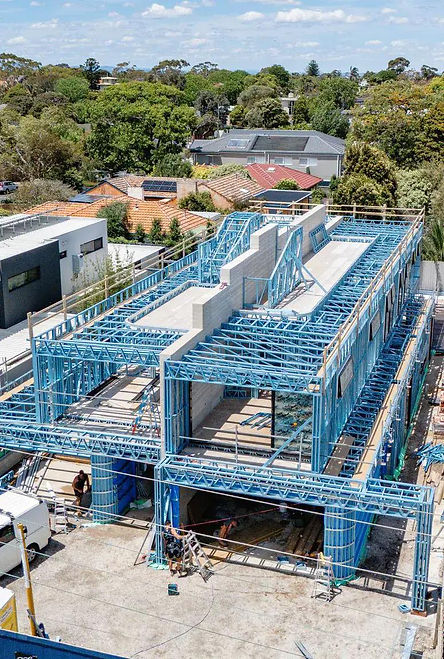
LSF
A vertical extension adds extra loads to the existing building. With LSF, the structure is much lighter compared to concrete or brick construction:
With LSF, the structure can be:
-
5–8 times lighter than a traditional reinforced concrete structure
-
2–3 times lighter than conventional masonry construction
This reduces:
-
overload on the foundations
-
risk of structural settlement
-
the need for expensive structural reinforcements
Excellent seismic performance.
During an earthquake, seismic force also depends on the mass of the building:
F=ma
Less mass = lower seismic force.
For this reason, LSF is widely used in seismic areas to add new floors above existing buildings.

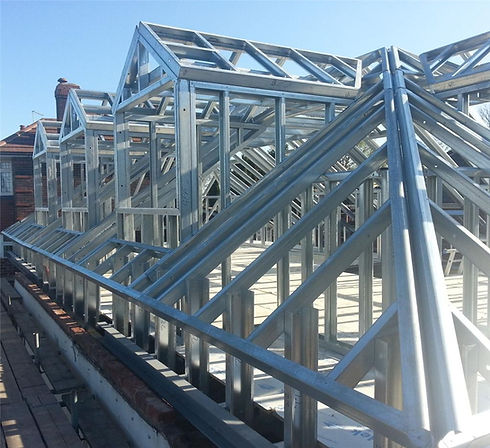
Entire modules or panels can be prefabricated in the factory and rapidly installed on the roof of the existing building. This drastically reduces:
This drastically reduces:
-
construction time
-
disturbance to occupants
-
indirect costs


Architectural styles achievable with LSF
From an architectural point of view, the LSF (Light Steel Frame) system is very flexible and does not impose major aesthetic limitations.
It can be designed in virtually any style, provided that the structural design is properly engineered.
Modern / minimalist
This is probably the most common style used with LSF:
-
large glass surfaces
-
clean geometric volumes
-
flat roofs
-
ventilated façades
Classical / neoclassical
Many people think that LSF is only suitable for “modern” architecture, but that is not true.
With the right finishing materials, it is possible to create:
-
decorative moldings
-
columns
-
arches
-
cornices and horizontal bands
-
traditional façades
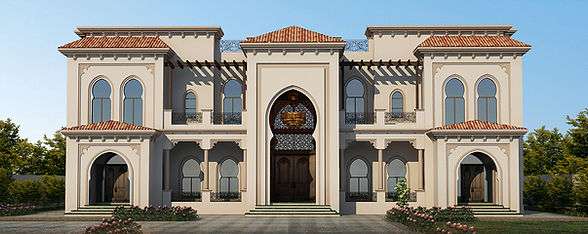
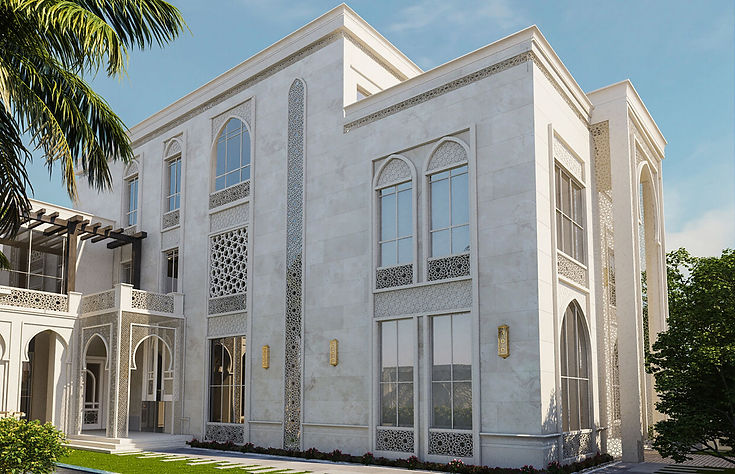
Mediterranean / Arab
LSF also works very well for:
-
Mediterranean villas
-
Omani style architecture
-
contemporary Arab style
-
mashrabiya elements
-
facade with natural stone
Rustic / chalet
With cladding in:
-
wood
-
stone
-
WPC
-
fiber cement